
 Tiếng Việt
 Home
Home Introduction
 Announcements
 Student Essential
 Event attendance lists
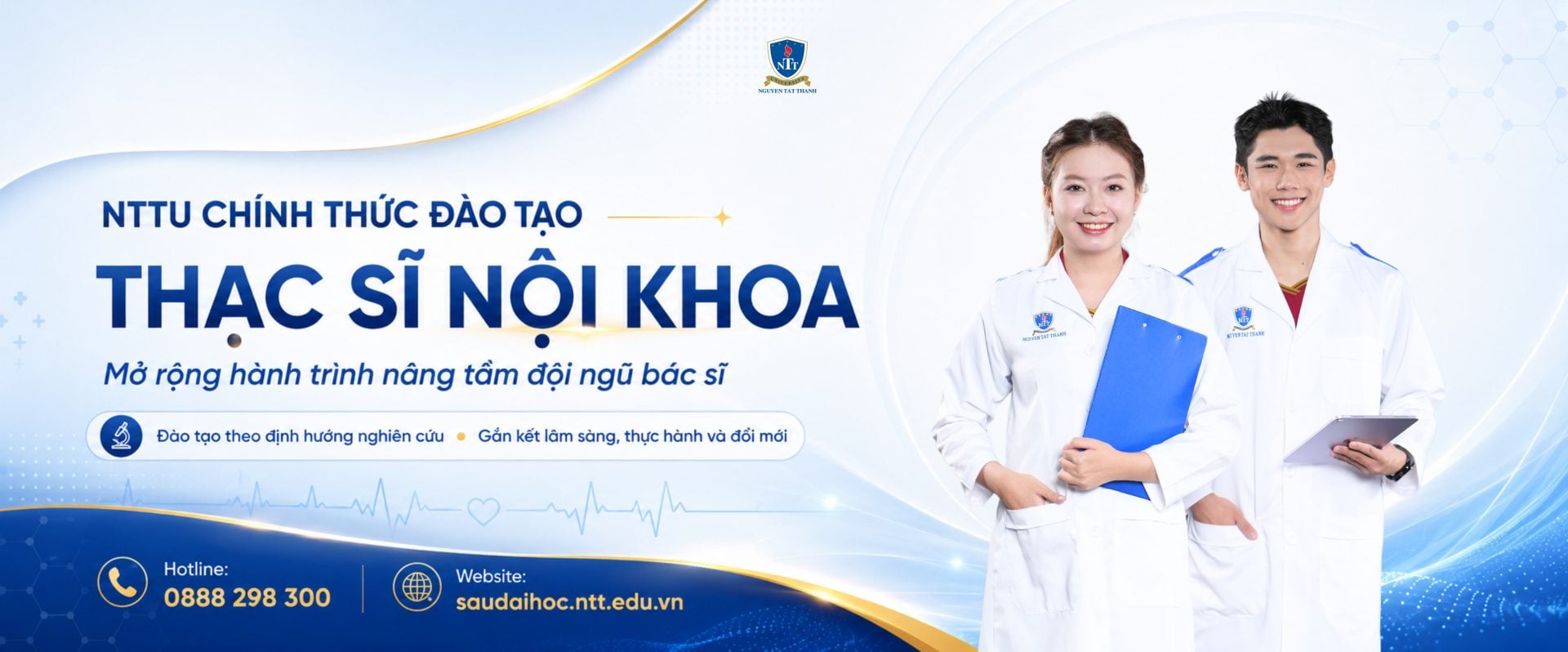
Recently, the Ministry of Education and Training issued Decision No. 1755/QD-BGDDT, granting Nguyen Tat Thanh University permission to offer a Master’s program in Internal Medicine, major code 8720107. This milestone increases the university’s total number of Master’s programs to 16, opening up more options for specialized professional development for doctors.
Register for online admission at: https://tuyensinh.ntt.edu.vn/dang-ky-xet-tuyen-thac-si-a9
Learning to Master Patient Cases, Not Just for a Degree
Internal Medicine is the foundational field of clinical medicine, inherently linked to the diagnosis, treatment, monitoring, and management of both common and complex pathologies. In the context of changing epidemiological models, rising chronic illnesses, and increasingly stringent patient safety demands, upgrading the professional capacity of medical practitioners has become imperative.
The Master’s program in Internal Medicine at NTTU features a 2-year training duration with a total volume of 60 credits, consisting of 35 theoretical credits and 25 practical credits. The educational content is structured into general modules, foundational knowledge, specialized knowledge, research topics, and a graduation thesis.
Instead of approaching Internal Medicine through mere transmission of knowledge, the program guides learners to apply basic scientific knowledge, technology, and clinical medicine to diagnosis, treatment, disease prevention, and patient management. Students are trained in the ability to analyze, synthesize, and evaluate health issues to make appropriate decisions for patients, families, and the community.
Alongside specialized capabilities, the program emphasizes the capacity for self-study, lifelong professional development, technological application, and the use of foreign languages in professional and research activities, while upholding safe medical practice, professional ethics, and social responsibility.
Clinics – Research – AI within the Same Training Pathway
One of the highlights of the program is a curriculum built upon dual parallel pillars: developing specialized clinical practice capabilities and forming scientific research skills.
In the foundational knowledge block, students are exposed to modules such as Pathophysiology – Immunology, Diagnostic Imaging, Specialized Foreign Language, and Scientific Research Methods. Notably, the module Medical Statistics – AI Applications in Medicine helps learners access data analysis methods, harness scientific information, and apply technology within the medical digital transformation context.
The specialized knowledge block focuses on four compulsory domains including Cardiology, Gastroenterology, Pulmonology, and Nephrology. Additionally, students can select 2 out of 6 elective module groups including Neurology, Hematology, Intensive Care Medicine, Endocrinology, Rheumatology, and Geriatrics, aligning with their personal career orientations.
In parallel with specialized learning, the research process is deployed early. Students progressively shape their ideas, construct proposals, present to the committee, collect and analyze data, complete their thesis, and defend their research outcomes. According to the curriculum timeline, the research proposal is prepared from Semester 1 to Semester 2, while data collection is rolled out from Semester 3 and can extend to the end of Semester 4.
This organization ensures that the thesis is not isolated from professional practice but rather stems from practical issues within the clinical environment, aiming to propose solutions to enhance the quality of diagnosis, treatment, care, and management of Internal Medicine patients.
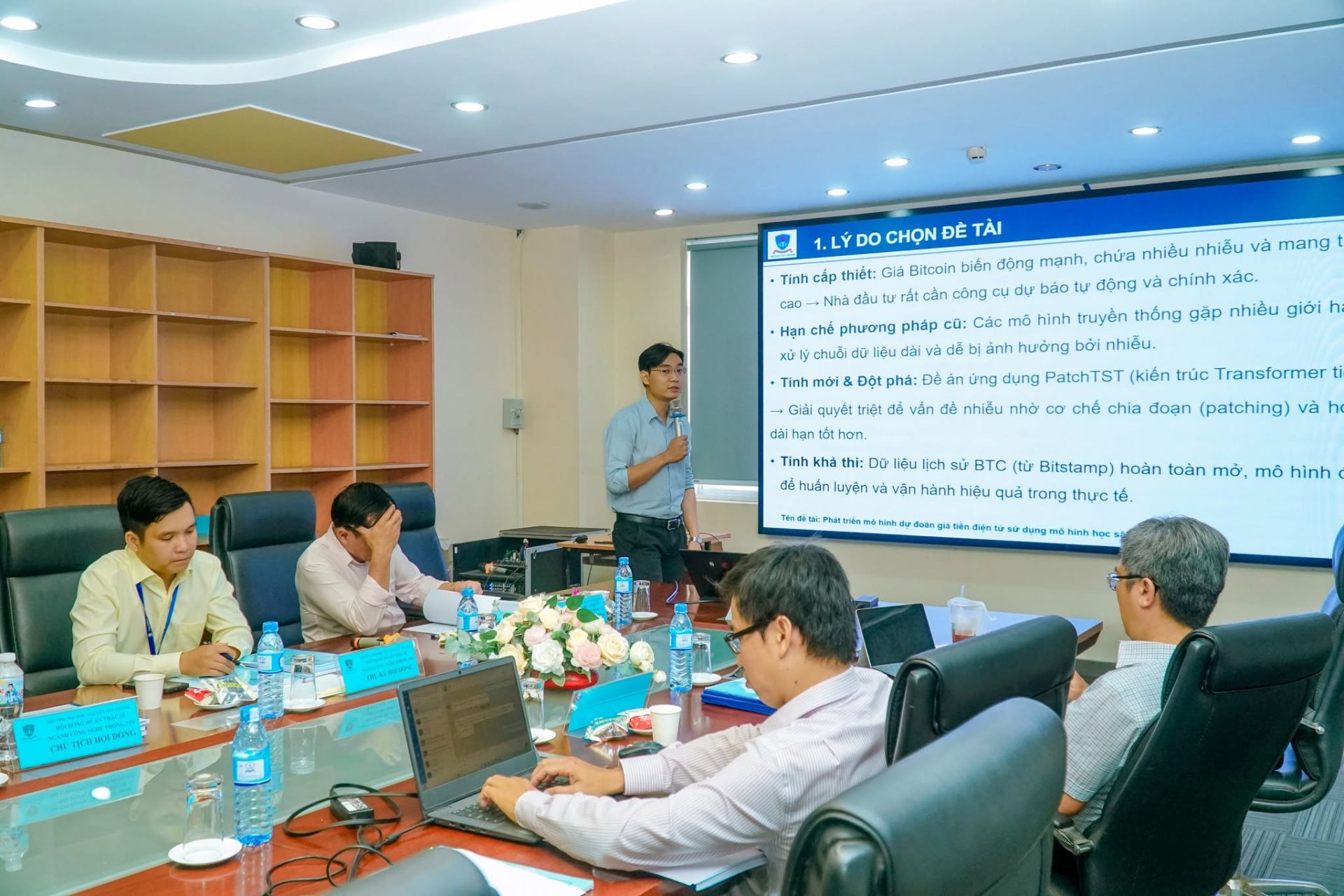
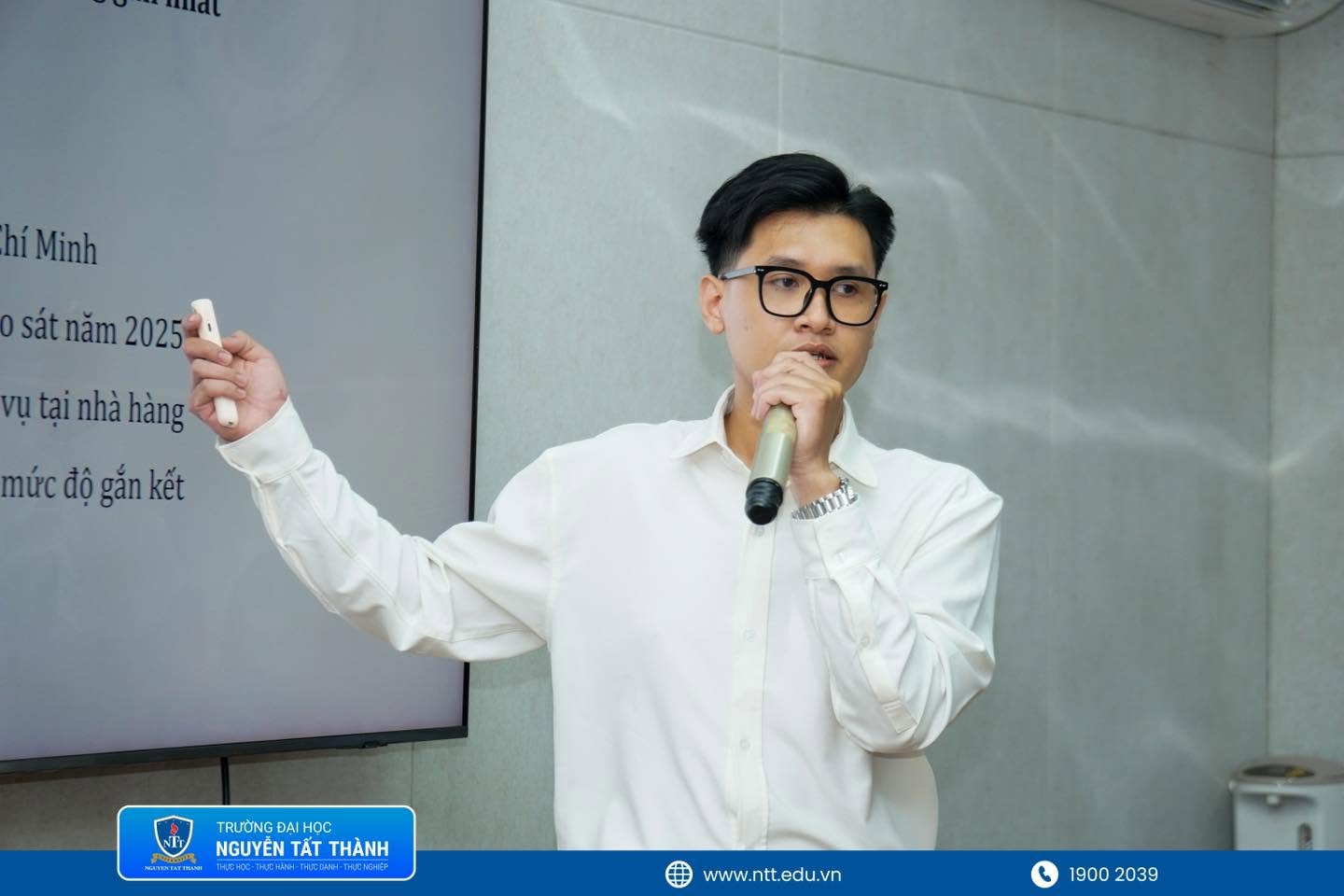
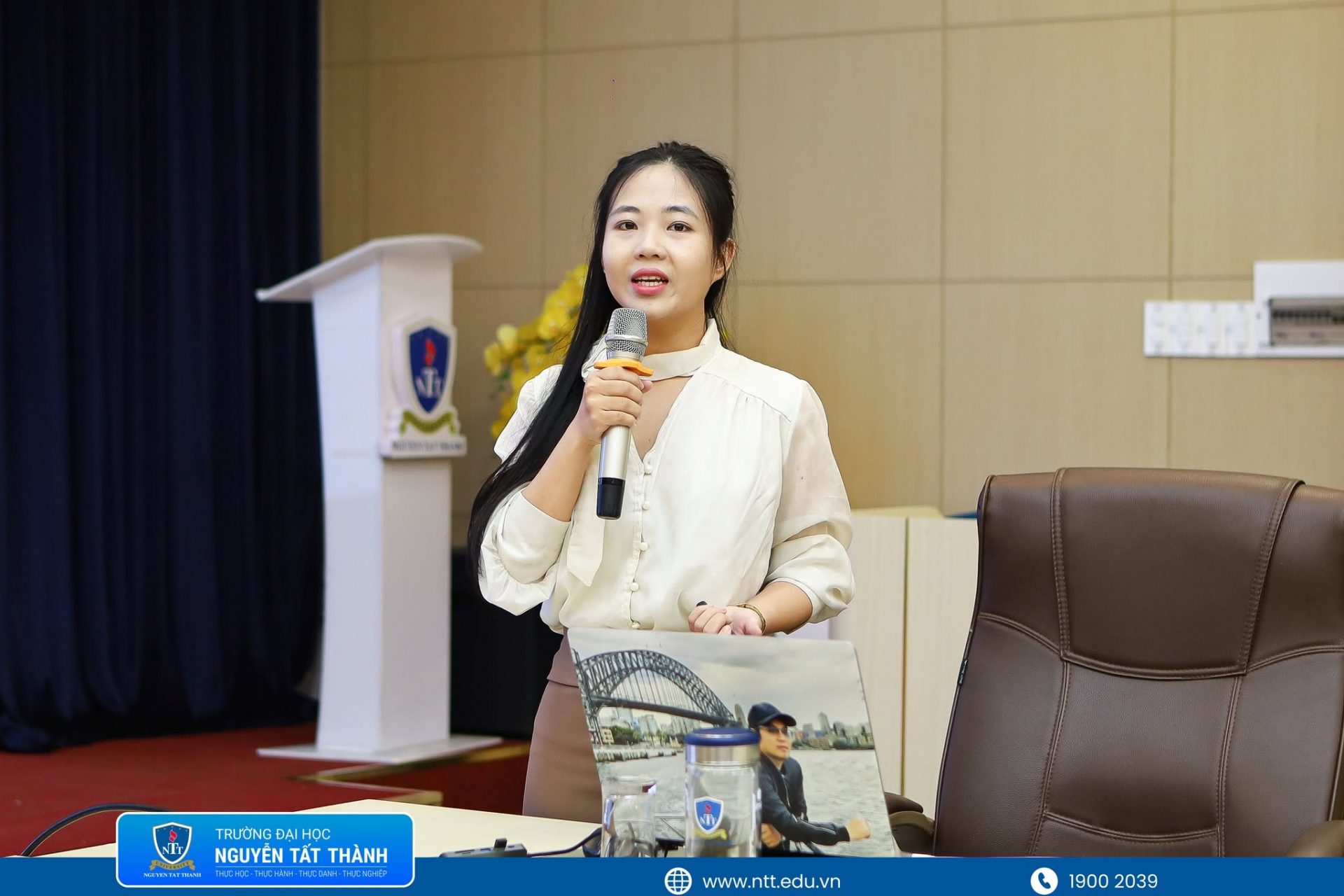
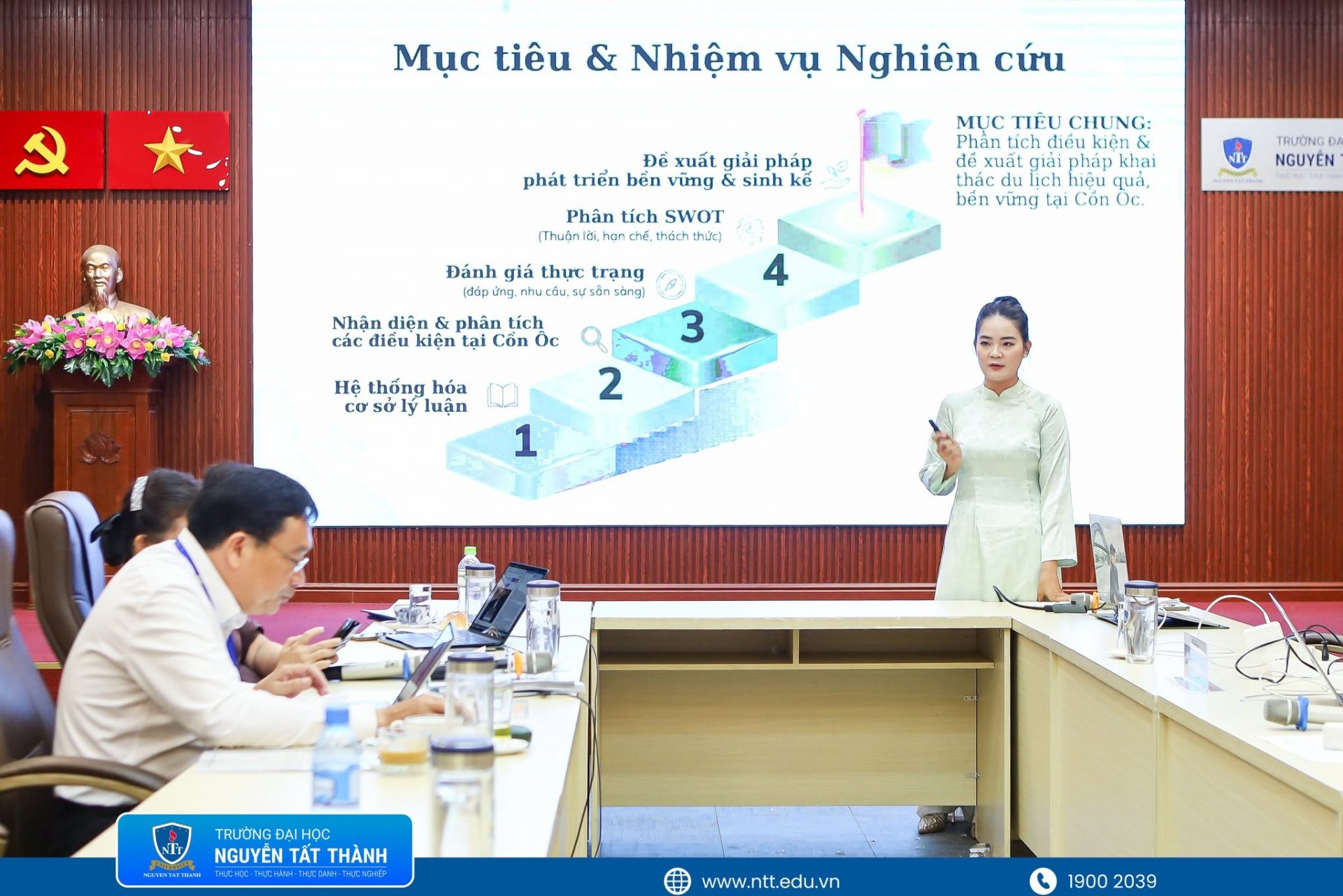
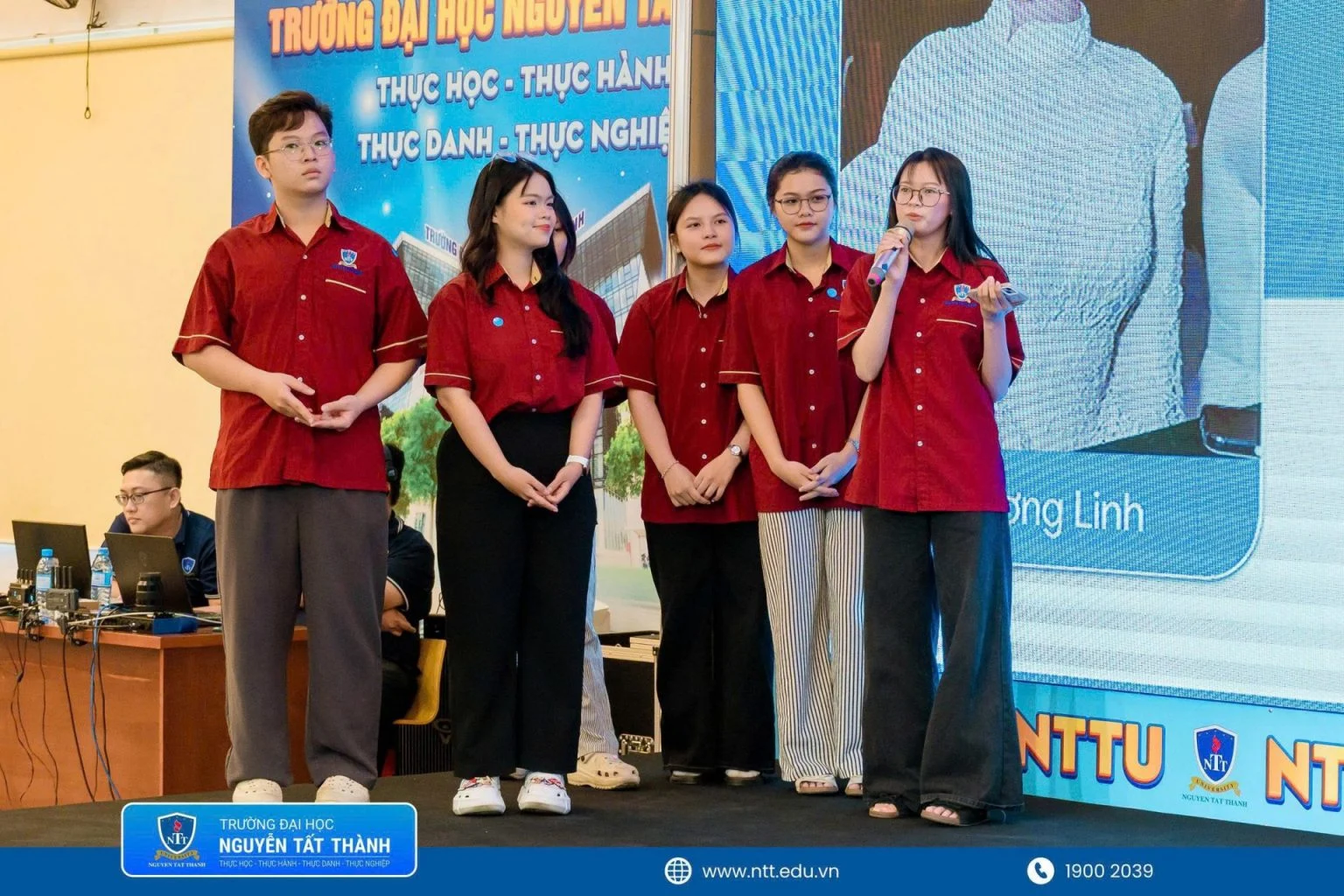
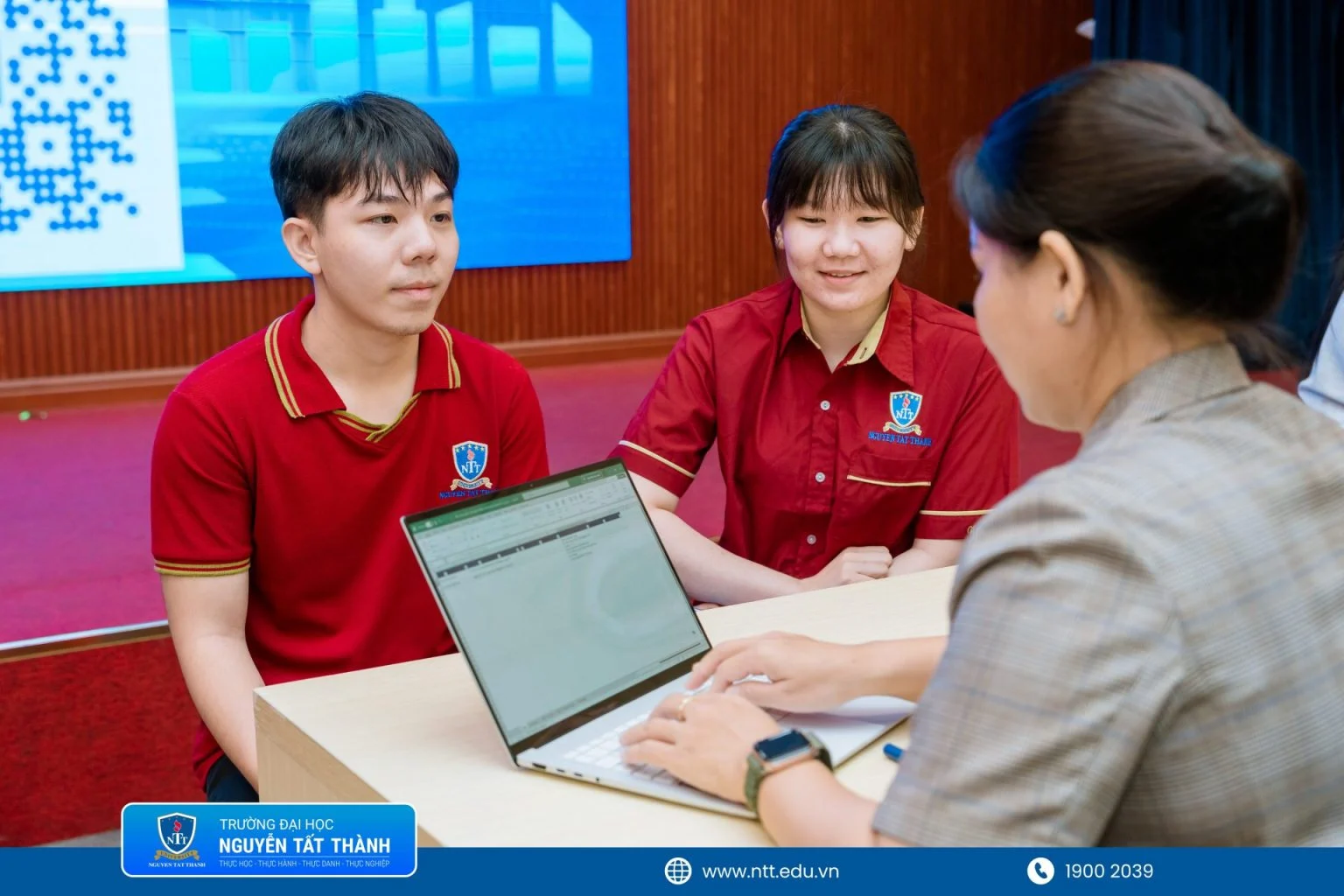
Master’s students presenting their research proposals before the Academic Council at Nguyen Tat Thanh University, demonstrating a rigorous academic spirit and research orientation linked to specialized practice.
From Hospital to Thesis: Training Grounded in Professional Reality
Alongside theoretical modules, the program heavily emphasizes guided clinical practice. Students participate in case discussions, present medical records, practice specialized competencies, and progressively convert knowledge into professional capabilities.
The evaluation methodology is also designed to track the developmental progress of competency, rather than depending solely on end-of-module examinations. In clinical practice activities, students are evaluated via Mini-CEX, DOPS, and CbD, combined with clinical logbooks, assignments or clinical case reports, and supervisor evaluations.
Specifically, Mini-CEX focuses on observing history-taking, physical examination, and case reasoning abilities; DOPS directly assesses procedural skills; while CbD targets case-based discussion capabilities grounded in medical records. These forms of assessment contribute concurrently to developing specialized skills, critical thinking, and situational management within treatment environments.
The training process is deployed directly at Nguyen Tat Thanh University, utilizing a system of lecture halls, practice rooms, laboratories, skill labs, libraries, and learning materials serving studies and research.
The Faculty of Medicine at Nguyen Tat Thanh University is currently developing according to an integrated model combining the university, hospitals, and research institutes/centers. According to the program description, the Faculty of Medicine has signed principle contracts with Cho Ray Hospital and Gia Dinh People’s Hospital to fulfill the practical training requirements for students.
Furthermore, the university possesses a network of affiliated healthcare facilities for training, including numerous units such as Children’s Hospital 2, City Children’s Hospital, Tu Du Hospital, Thu Duc City Hospital, Military Hospital 175, Thong Nhat Hospital, Hung Vuong Hospital, Trung Vuong Hospital, Gia Dinh People’s Hospital, and Pham Ngoc Thach Hospital.
This practical environment enables the program to bridge academia with professional reality, assisting students in step-by-step developing capabilities in diagnosing, treating, monitoring, managing patients, and upgrading the quality of medical care.
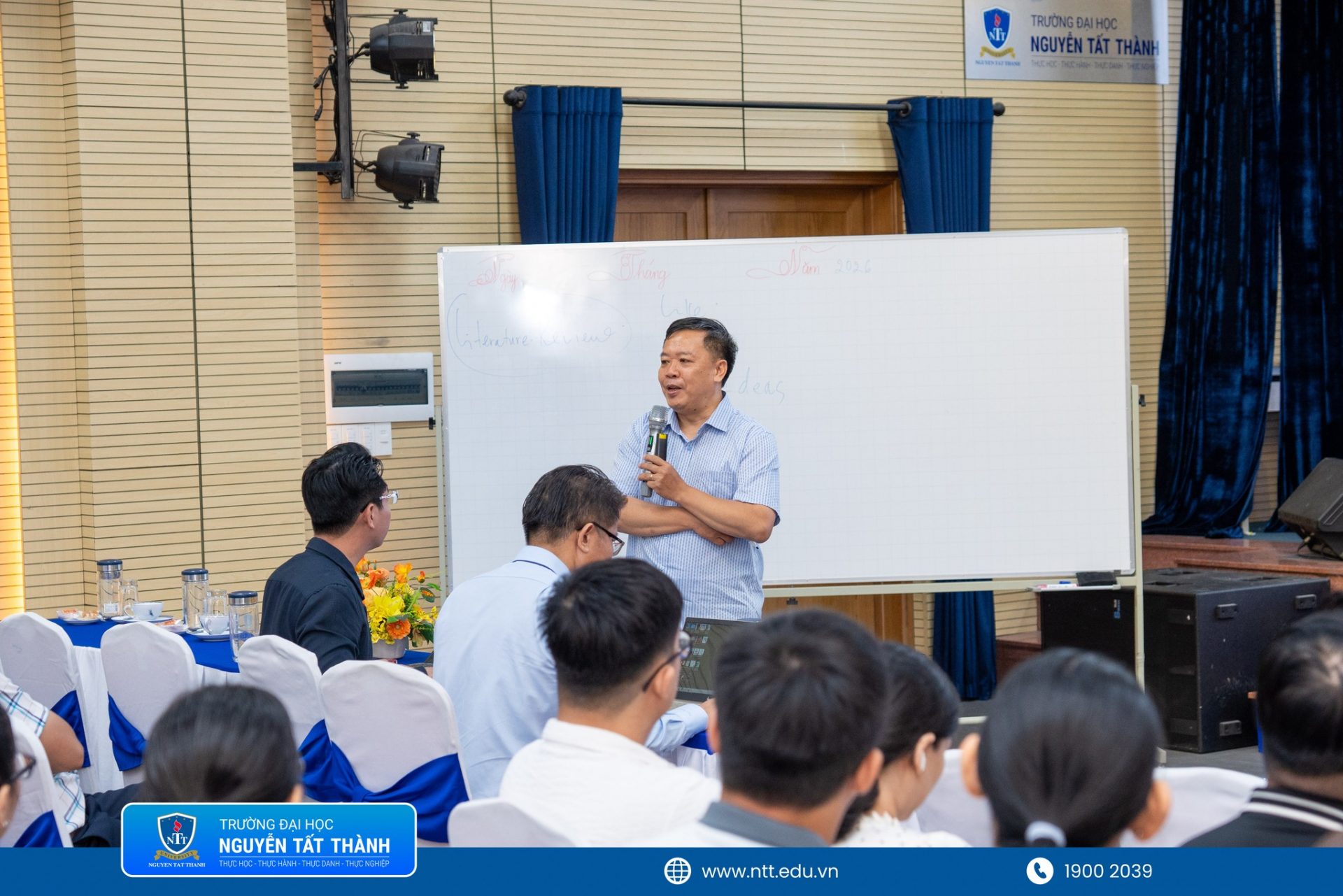
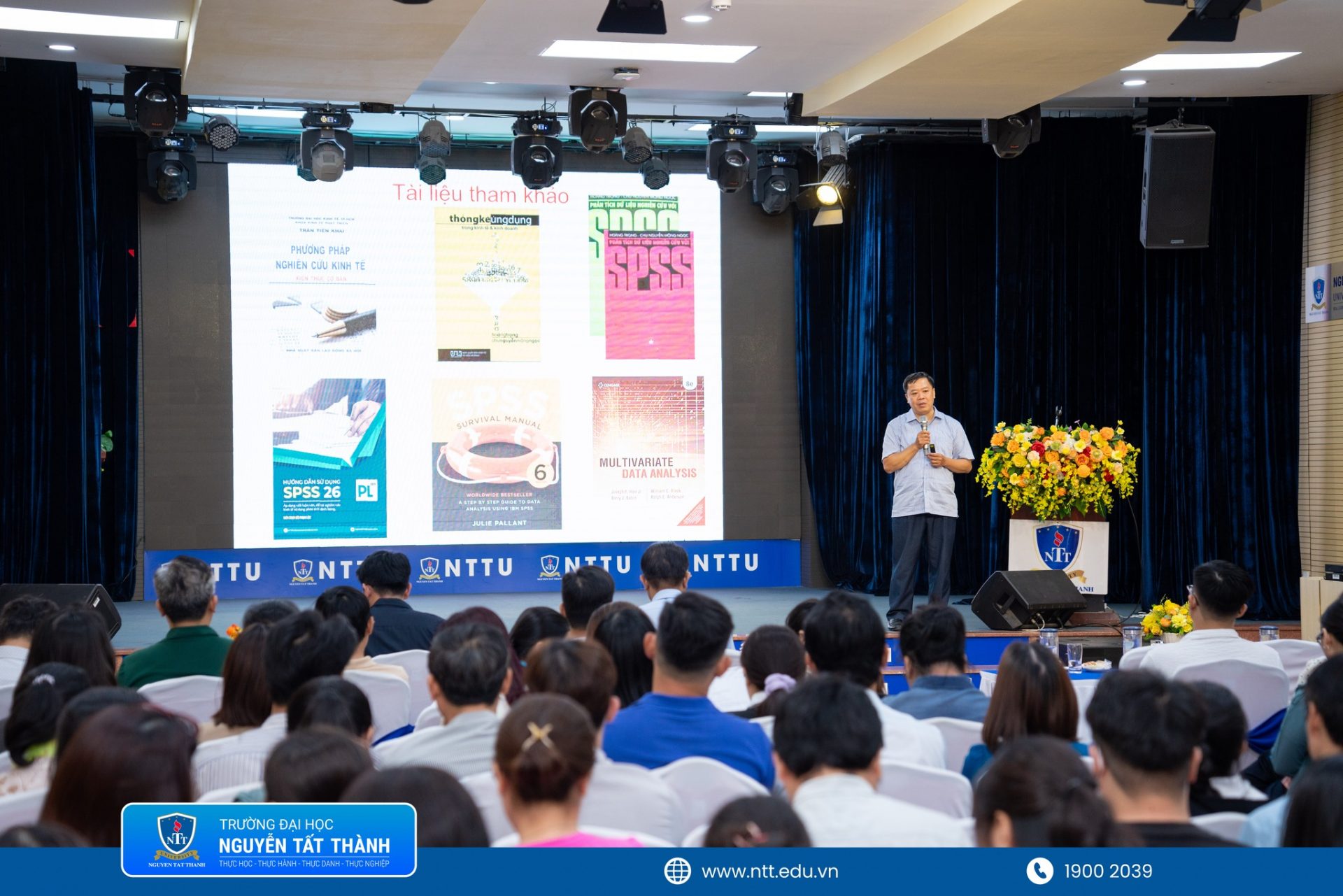
Assoc. Prof. Dr. Le Dinh Hai sharing experience in applying quantitative models in scientific research and international publication during a workshop organized by the Postgraduate Training Institute – Nguyen Tat Thanh University on May 10, 2026.
Input Aligned with Research Orientation, Expanding Professional Horizons
The Master’s program in Internal Medicine at NTTU employs two methods of admission consisting of admission review or entrance examinations. Applicants must have graduated from university or equivalent level or higher in a suitable major; possess a level 3 foreign language proficiency according to the 6-level Foreign Language Proficiency Framework for Vietnam or hold equivalent certificates/degrees as regulated.
As it is structurally designed with a research orientation, the program requires applicants to have graduated from university with a good classification (Good/Khá) or higher, or to have scientific publications related to their prospective field of study and research. This is not merely an entry condition but highlights the expectation for learners to be ready to access specialized literature, comprehend data, engage in research, and develop scientific thinking throughout their training.
Upon completing the program, graduates can advance their careers within hospitals and healthcare facilities; participate in teaching at medical human resources training institutions; or work at institutes, research centers, or state management agencies in health. The program also establishes a solid foundation for learners to pursue further studies toward Specialization II (Chuyên khoa II) or a PhD in Internal Medicine at domestic and international educational institutions.
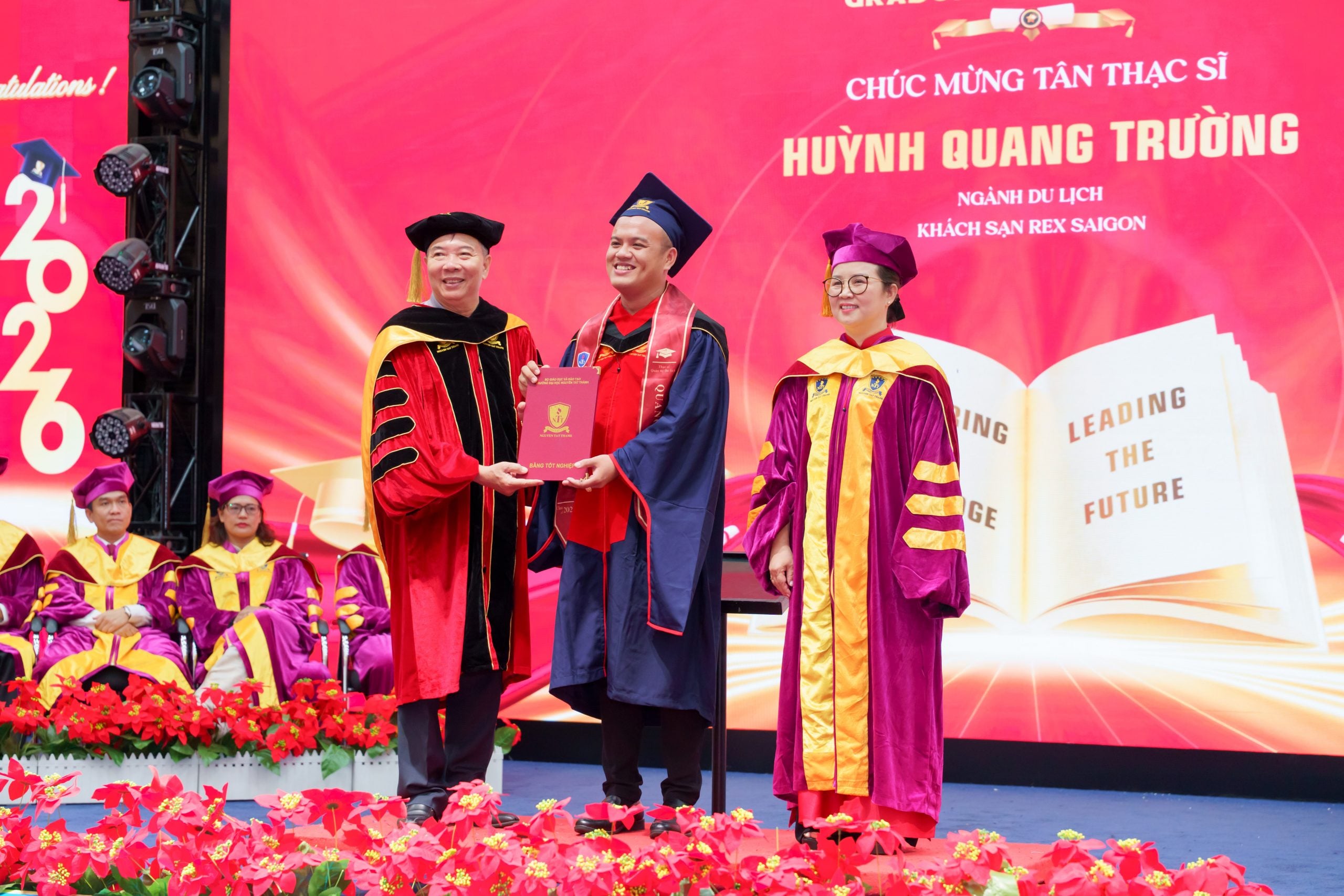
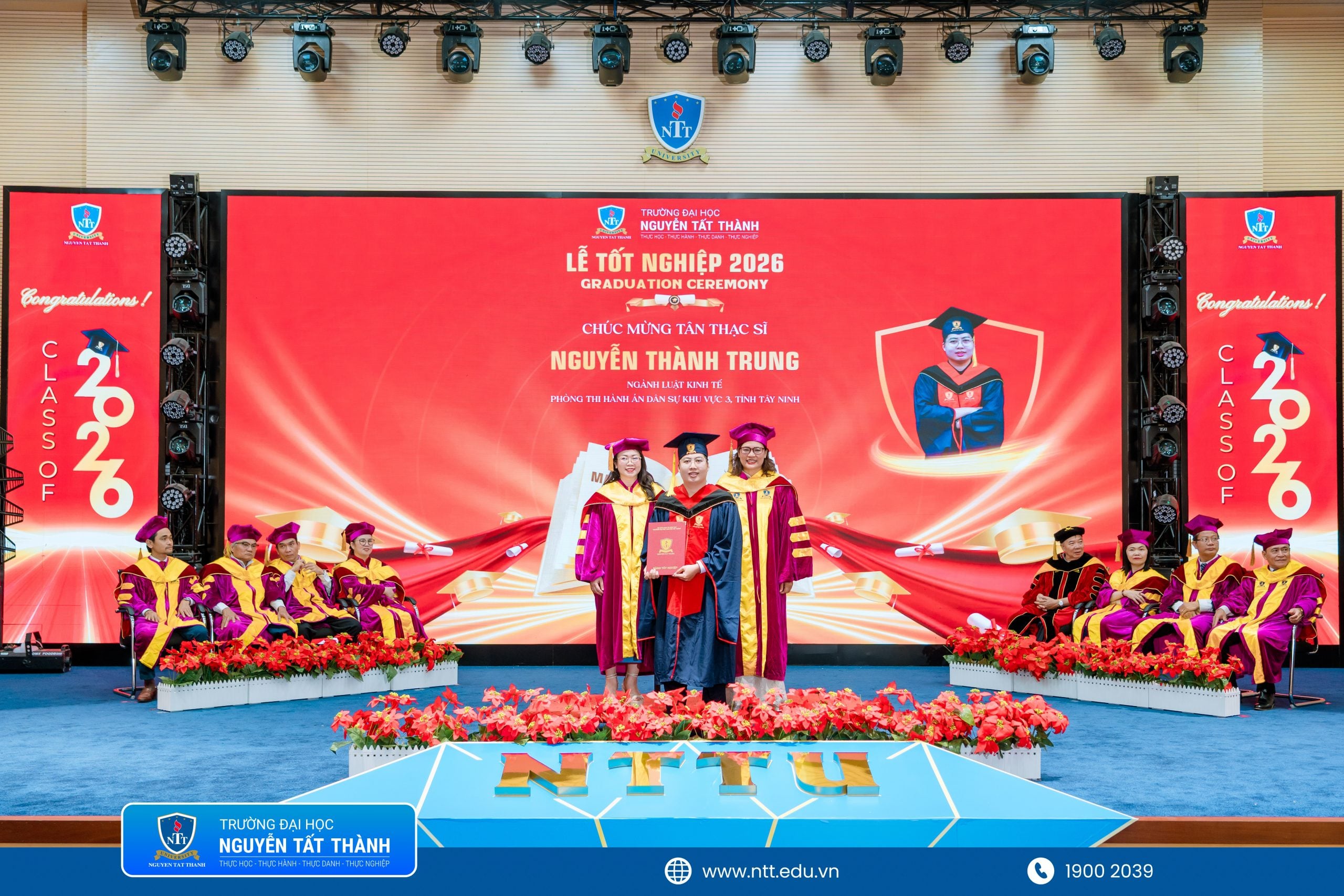
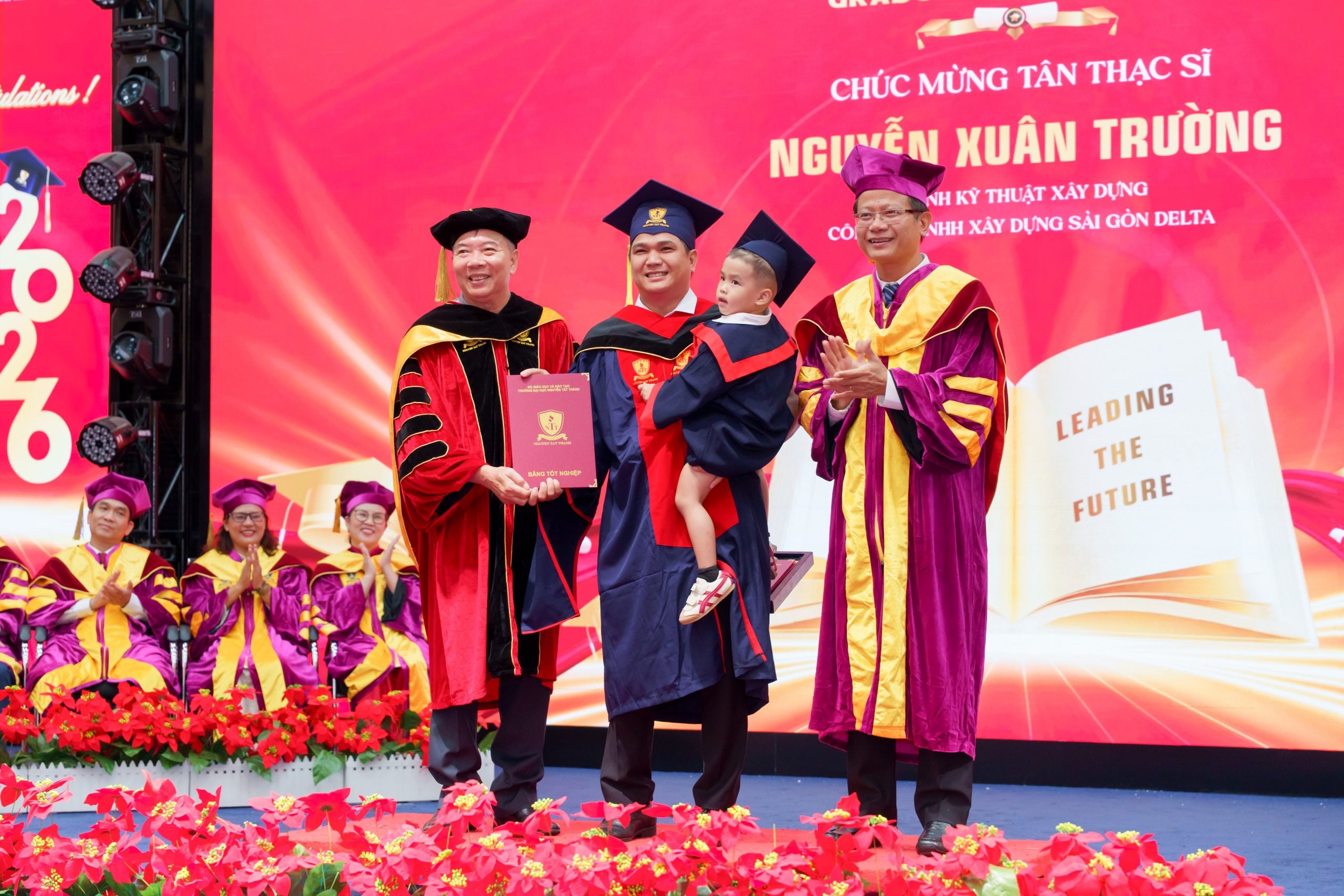
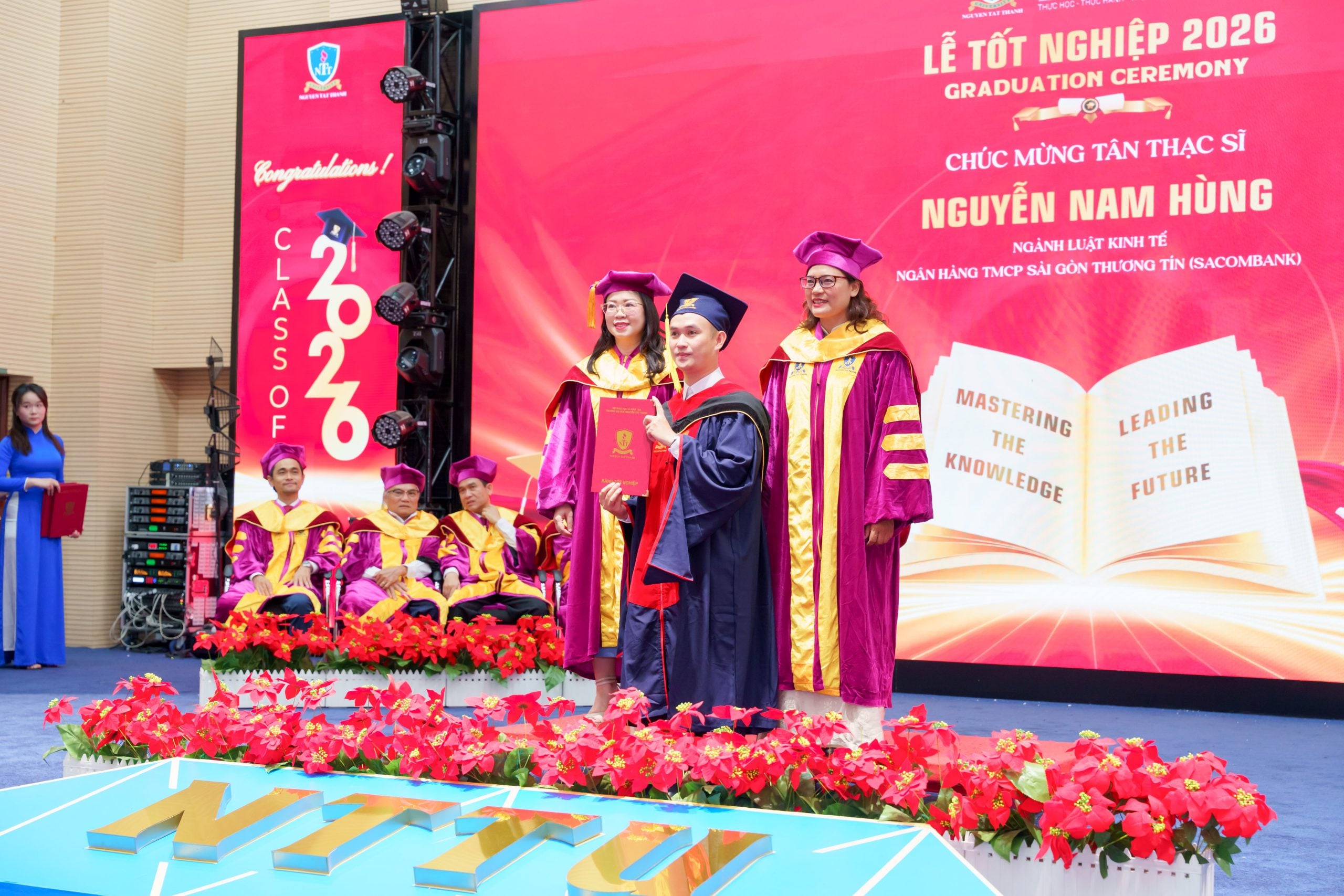
The postgraduate graduation ceremony at Nguyen Tat Thanh University not only marks the academic achievements of the new master’s graduates, but also affirms the practical, modern, and highly connected educational environment that NTTU consistently pursues in its journey to develop high-quality human resources.
Sharing thoughts on the milestone of NTTU being officially permitted to train Master’s degree students in Internal Medicine, Assoc. Prof. Dr. Nguyen Lan Phuong – Vice President, Director of the Postgraduate Training Institute at Nguyen Tat Thanh University stated: “Being permitted by the Ministry of Education and Training to offer a Master’s degree in Internal Medicine is an important developmental step in Nguyen Tat Thanh University’s strategy to expand postgraduate education, particularly within the health sciences sector. The university aspires to construct an intensive learning environment where learners can consolidate clinical capabilities while simultaneously developing research mindsets and the capacity to tap into new knowledge.”
According to Assoc. Prof. Dr. Nguyen Lan Phuong, with the philosophy of “True Learning – True Practice – True Prestige – True Success”, NTTU expects the program to accompany doctors on their journey to enhance professional competence, master specialized knowledge, and use scientific data and evidence in practice, thereby contributing to the quality of community healthcare.
The permission given by the Ministry of Education and Training for Nguyen Tat Thanh University to offer a Master’s program in Internal Medicine, major code 8720107, does more than just add another postgraduate academic choice for doctors. It also represents a developmental leap that showcases NTTU’s investment orientation toward developing a medical workforce equipped with specialized expertise, scientific logic, research capacities, and a profound responsibility toward patients and the community.
Nguyen Tat Thanh University
| Contact Information:
Postgraduate Training Institute – Nguyen Tat Thanh University 300A Nguyen Tat Thanh – Ward 13 – District 4 – Ho Chi Minh City Hotline: 1900 2039 (379) or Zalo 0888 298 300 Website: https://saudaihoc.ntt.edu.vn/ Email: saudaihoc@ntt.edu.vn |