
 Tiếng Việt
 Home
Home Introduction
 Announcements
 Student Essential
 Event attendance lists
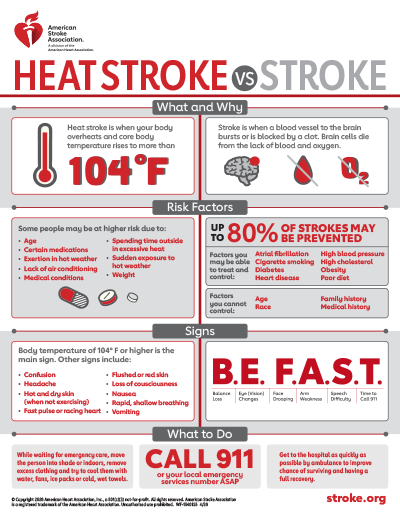
In the framework of the 2025 National Week on Natural Disaster Prevention and Control with the theme “Sustainable Community, Adapting to Natural Disasters,” raising awareness and skills to respond to intense heat is a top priority. Intense heat not only causes discomfort and fatigue but is also a direct cause of serious health problems such as stroke and heat shock, while simultaneously increasing the risk of infectious disease outbreaks and negatively impacting agricultural production. Therefore, every individual and the entire community must actively implement comprehensive protection measures.
Preventing Stroke and Heat Shock – A Safety Shield for Health on Hot Days To prevent the risk of stroke and heat shock during hot days, citizens should remember and strictly follow recommendations. First, limit going outside as much as possible between 12:00 PM and 4:00 PM, as this is when temperatures are typically highest, posing the most risk. If you must go out, ensure your body is well-protected by wearing wide-brimmed hats, long-sleeved, airy clothing, and sunglasses. The use of cooling equipment must also be done correctly. Do not set air conditioning temperatures too low or let fans blow directly on you, especially when returning from the sun, to avoid sudden temperature changes that can harm the body. Most importantly, drink enough water regularly. For those working outdoors, water intake can be combined with diluted salted lemonade or Oresol solution as directed, but avoid drinking water that is too cold, which can cause sore throats. Nutrition also plays a crucial role. Everyone should practice eating cooked food and drinking boiled water, ensuring food hygiene and safety. Increase nutrition and consume more fruits to supplement vitamins and minerals, helping to boost the body’s resistance. For those working in hot environments, take self-protective measures and proactively stop working if weather conditions exceed your body’s tolerance to avoid overexertion.
Strengthening Prevention of Infectious Diseases during the Hot Season Hot weather creates favorable conditions for bacteria and viruses to develop, increasing the risk of infectious disease outbreaks. To proactively prevent disease, the Ministry of Health recommends that citizens perform the following measures well. Regarding personal hygiene, frequently wash hands with soap and clean water, especially before preparing food, before eating, and after using the restroom. Cleaning the nose and throat daily with physiological saline is also essential. Additionally, practicing eating cooked food and drinking boiled water while ensuring food hygiene and safety is a key factor in preventing diseases transmitted through the digestive tract. Environmental hygiene is equally important. Frequently clean surfaces and frequently touched items such as doorknobs, children’s toys, study tools, tables, chairs, and floors with common detergents. Specifically, use hygienic latrines, properly collect and treat children’s waste, and dispose of household waste in designated areas to avoid creating environments for pathogens to thrive. An essential measure is to carry out mosquito larvae/egg destruction, eliminating waste materials and natural water pockets that can collect water to prevent mosquitoes from laying eggs, such as jars, pots, bottles, broken glass, coconut shells, and old tires.
Protecting Livestock and Crops – Maintaining Stable Production Against Intense Heat Intense heat not only affects humans but also has a strong impact on livestock and crops, directly affecting agricultural production. For livestock, farmers should limit grazing cattle, livestock, and poultry outdoors when temperatures exceed 37°C. It is necessary to ensure sufficient clean drinking water for livestock, maintain barn hygiene, and create airy spaces with roofs to minimize the impact of high temperatures. For crops, apply measures such as using sun-shading nets and covering planting beds to retain soil moisture. Watering plants should be done early in the morning or late in the afternoon when temperatures have dropped, helping plants absorb water better and avoiding heat shock.
Responding to intense heat requires initiative and the synchronized implementation of solutions from every individual and family to the entire community. By complying with health protection recommendations, strengthening disease prevention hygiene, and applying technical measures in agricultural production, we not only protect ourselves but also contribute to building a sustainable community capable of adapting effectively to the impacts of climate change and natural disasters.