
 Tiếng Việt
 Home
Home Introduction
 Announcements
 Student Essential
 Event attendance lists
From the technical specifications on the drawings, students must accurately model each detail, complete the three-dimensional model, assemble the machine unit, and export the drawings according to TCVN standards using Autodesk Inventor. The “Application of Information Technology in Mechanical Design” competition, organized by the Faculty of Engineering – Technology, Nguyen Tat Thanh University on June 13, put more than 30 students into a challenge close to the actual work of a mechanical design engineer.
Not only requiring computer manipulation speed, the exam also placed high demands on students regarding spatial thinking, drawing reading comprehension, accuracy in each parameter, and scientific design workflow organization.
Just one incorrect dimension, an inaccurate assembly position, or an illogical processing step could affect the entire model. Therefore, every operation in the exam room was a test of professional knowledge, technological skills, and students’ courage.
The competition was attended by the leaders of the Faculty of Engineering – Technology, the Organizing Committee, the teaching staff, and a large number of students. This is a specialized academic activity organized to arouse a passion for technology, promote creativity, and enhance the application of information technology in mechanical design.
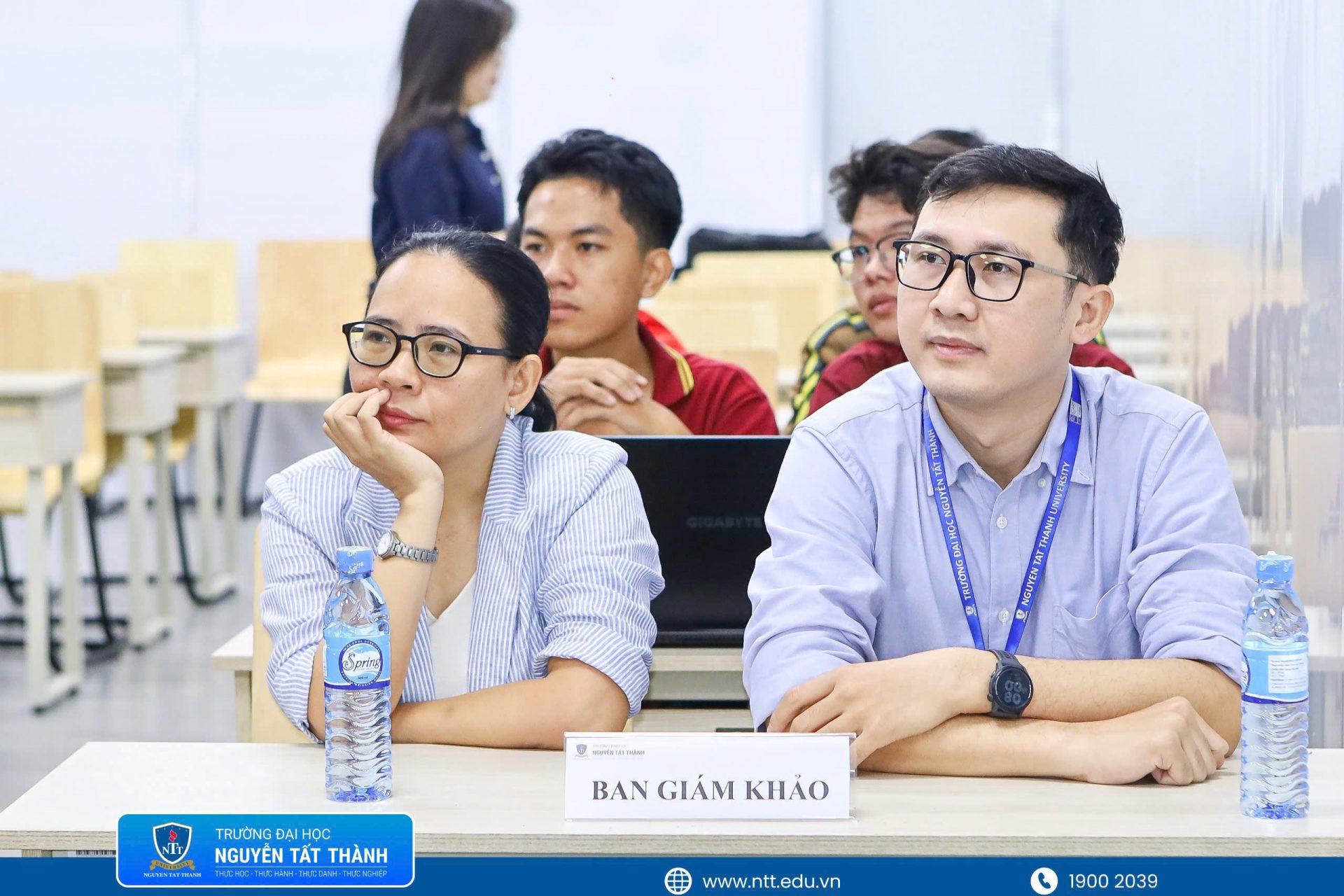
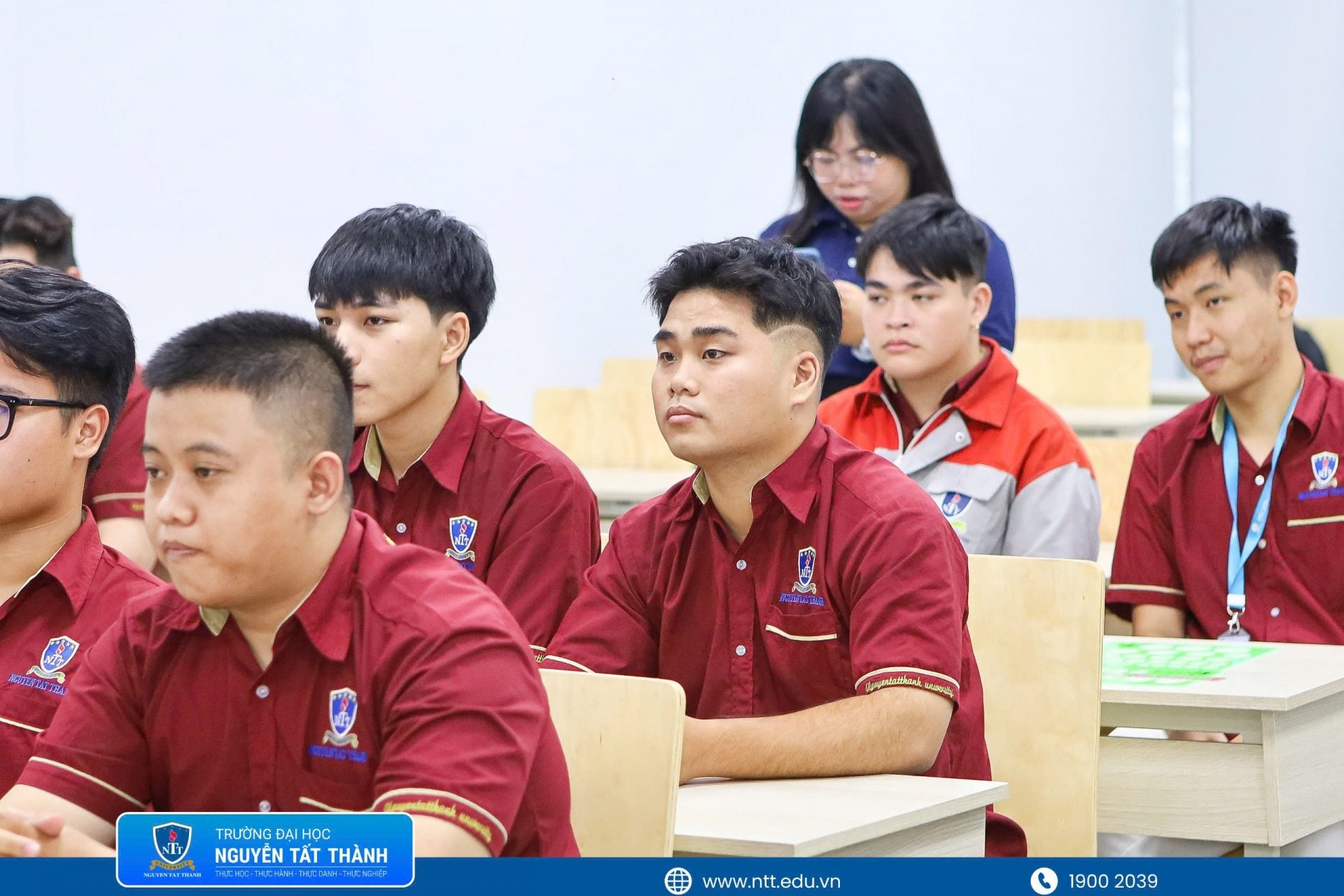
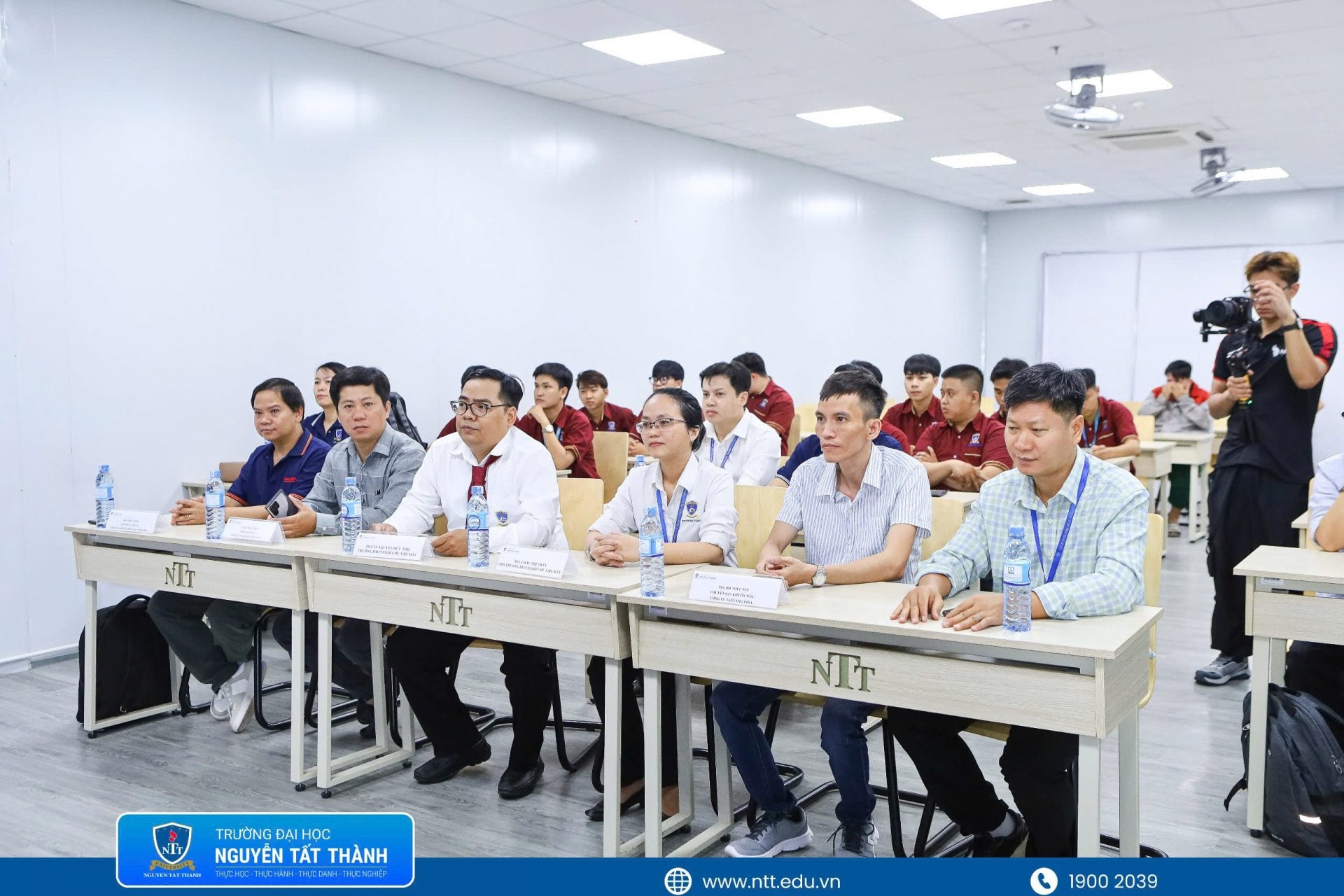
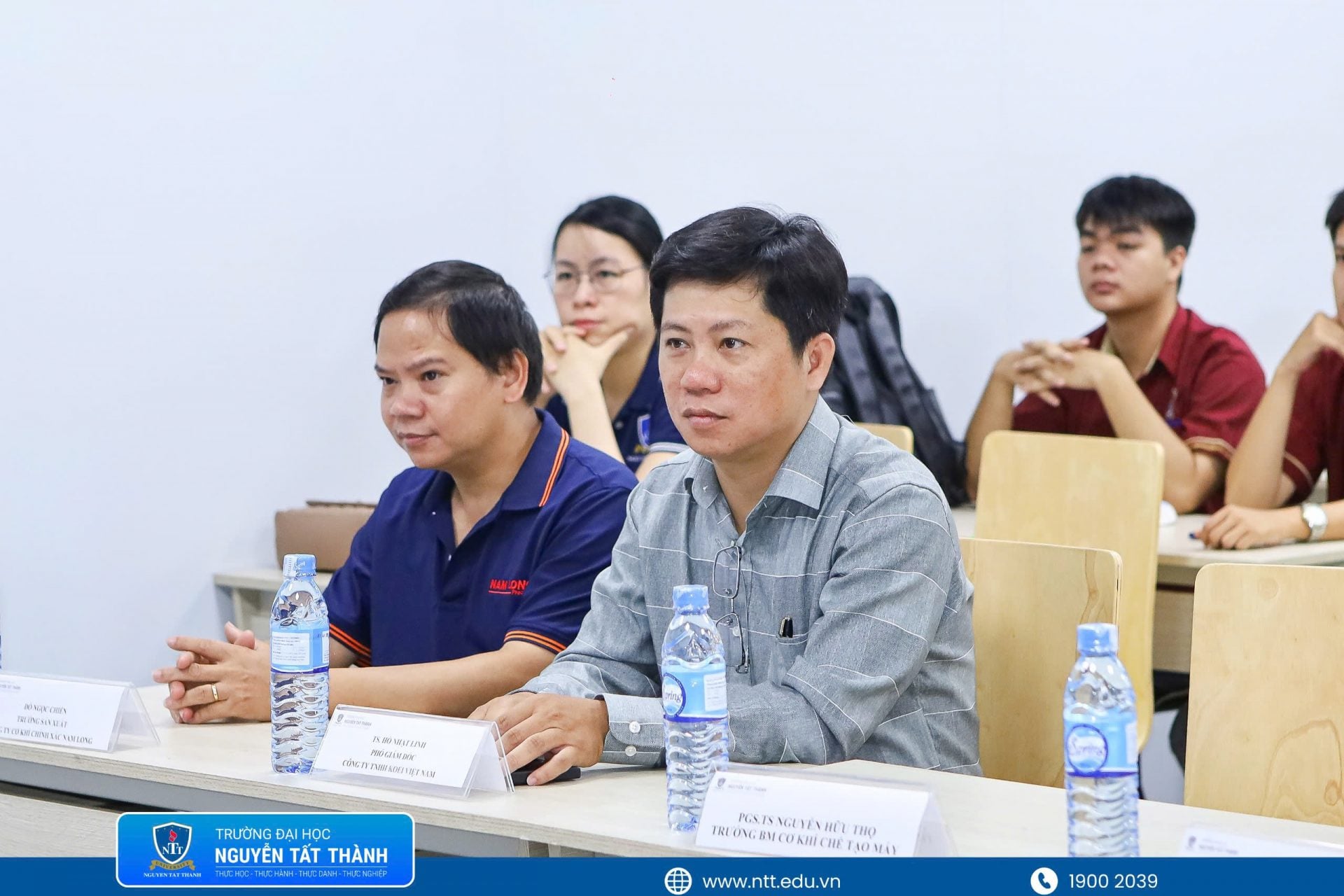
The competition is an academic playground that helps mechanical engineering students test their practical capacity, master digital design tools, and step-by-step adapt to business requirements
When classroom knowledge steps into a real-world problem
The content of the competition focused on three groups of skills, including constructing three-dimensional models, assembling machine components, and exporting technical drawings according to TCVN standards on Autodesk Inventor Professional software.
These are also crucial stages in the process of designing and developing a mechanical product. Before a detail is put into manufacturing, engineers must build models, check dimensions, evaluate assembly capabilities, and complete technical records in a digital environment.
Therefore, the test did not just check the ability to memorize and use commands on the software. Students had to know how to read requirements, choose appropriate tools, construct operational sequences, and control the relationship between components in the entire assembly unit.
Knowledge learned in modules such as engineering drawing, machine parts, tolerance – fitting, mechanical design, and manufacturing technology was connected in the same test. Through this, learners could clearly see the connection between foundational knowledge and practical professional requirements.
Sharing at the opening ceremony, Assoc. Prof. Dr. Nguyen Huu Tho – Head of the Department of Mechanical Manufacturing Engineering, representative of the competition Organizing Committee, said that in the context of digital technology increasingly embedding into design and production activities, mechanical engineers not only need solid expertise but also the ability to master modern design tools.
“The competition is not only an opportunity for students to demonstrate their skills in using Autodesk Inventor Professional, but also helps them train spatial thinking, drawing reading comprehension, designing, and assembling machine parts according to technical standards. Through each test, students have the opportunity to verify their capacity, form accurate, scientific, and proactive working styles in solving problems – essential requirements for mechanical engineers in modern production environments”, Assoc. Prof. Dr. Nguyen Huu Tho shared.

Assoc. Prof. Dr. Nguyen Huu Tho – Head of the Department of Mechanical Manufacturing Engineering, representative of the Organizing Committee – shares the goal of bringing modern design technology into training activities and professional skills practice for students
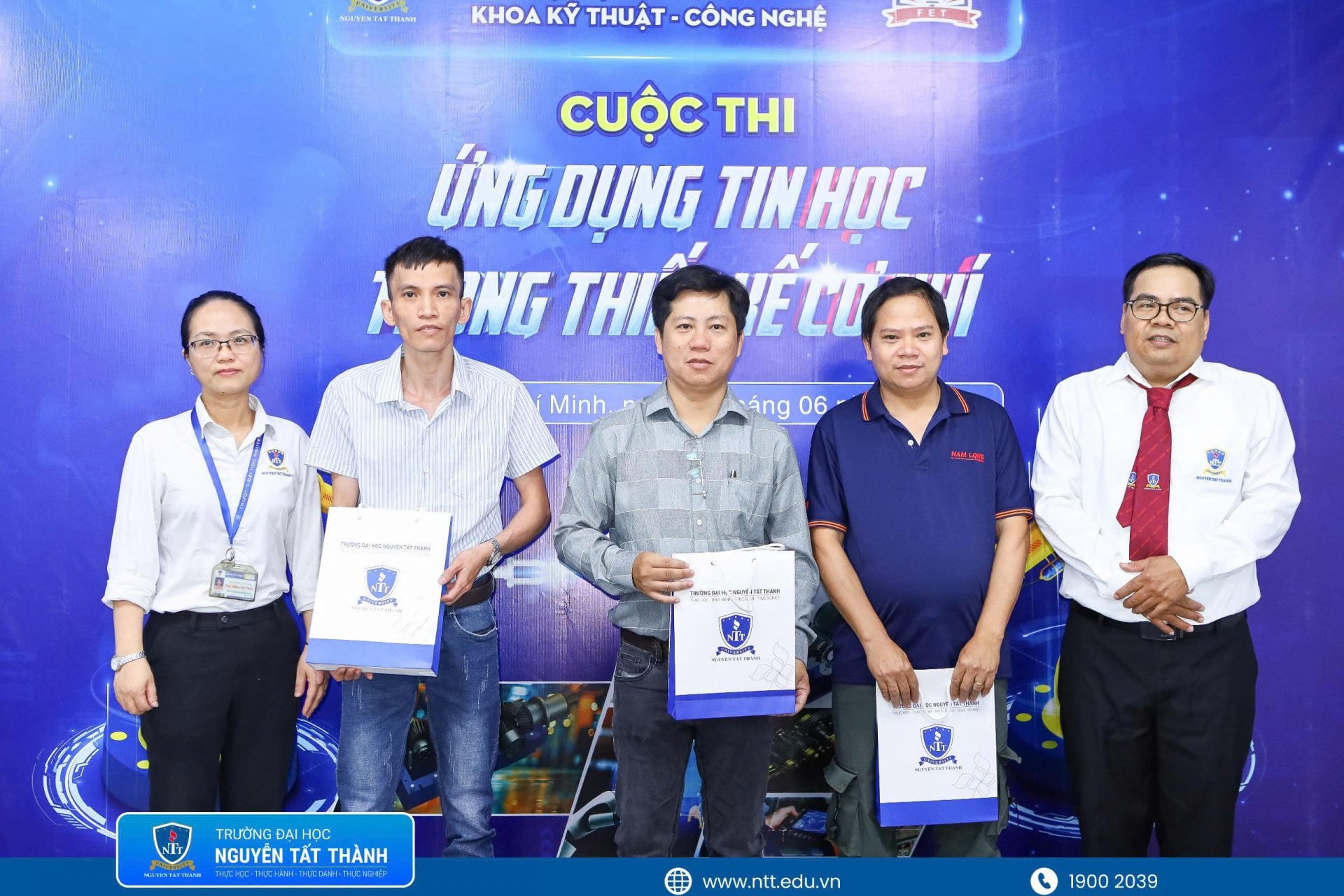
Representatives of the Faculty of Engineering – Technology present souvenirs as a thank you to the enterprises that have accompanied them, contributing to strengthening the connection between training and professional practice for students of Nguyen Tat Thanh University
According to him, the competition also creates conditions for lecturers to evaluate students’ ability to apply knowledge, thereby continuing to update teaching content, practice, and specialized projects towards closely following the development of technology as well as human resource needs from enterprises.
Through the actual results of students, enterprises also have more basis to perceive professional capacity, technology accessibility, and career readiness of the future generation of engineers.
Bringing professional technology into lecture halls
In the context of enterprises promoting digitalization, automation, and smart manufacturing, the role of mechanical engineers is also changing. In addition to knowledge about machinery, materials, and manufacturing processes, practitioners must know how to use specialized software to design, simulate, inspect, and optimize products before putting them into production.
The ability to master digital tools helps engineers shorten product development time, limit errors, reduce testing costs, and improve accuracy in the manufacturing process. This is also why design software skills are increasingly becoming an important requirement for students in mechanical engineering blocks.
At the Faculty of Engineering – Technology, Nguyen Tat Thanh University, mechanical manufacturing engineering students are oriented to approach careers through a system of practice exercises, projects, scientific research activities, and professional playgrounds.
If class hours help students form a foundation of knowledge, the competition is where learners must connect that knowledge into a complete product themselves. Students do not just observe lecturers operating but must directly read drawings, detect errors, adjust plans, and take responsibility for each parameter in their work.
This approach helps learning not stop at memorizing theory. Learners are placed in tasks close to the professional environment, where product quality is determined by the ability to apply knowledge, technological skills, and problem-solving thinking.
With the educational orientation of attaching theory to reality, the Faculty of Engineering – Technology regularly organizes professional competitions, seminars, scientific research activities, and corporate connection programs. Each activity is viewed as an “open practice room”, helping students supplement professional experiences outside the main curriculum.
Through these playgrounds, students are provided with conditions to access software, equipment, processes, and technical requirements being used in production environments. At the same time, lecturers can more clearly identify strengths and skills that learners need to continue completing.
This is also the way Nguyen Tat Thanh University concretizes the orientation of learning goes hand in hand with practice, step by step shortening the gap between lecture halls and enterprises, and creating conditions for students to accumulate professional competence right during their university study.
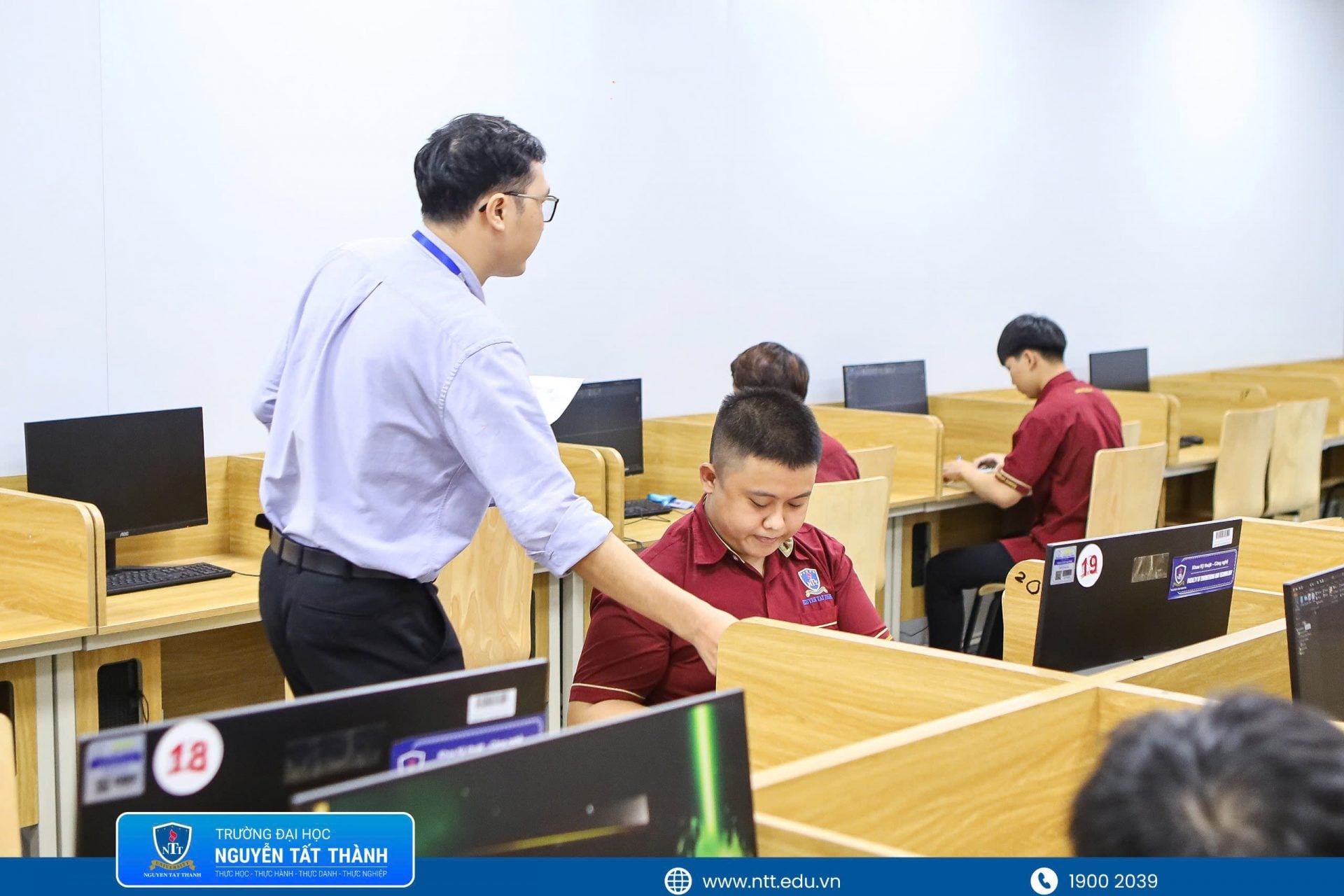
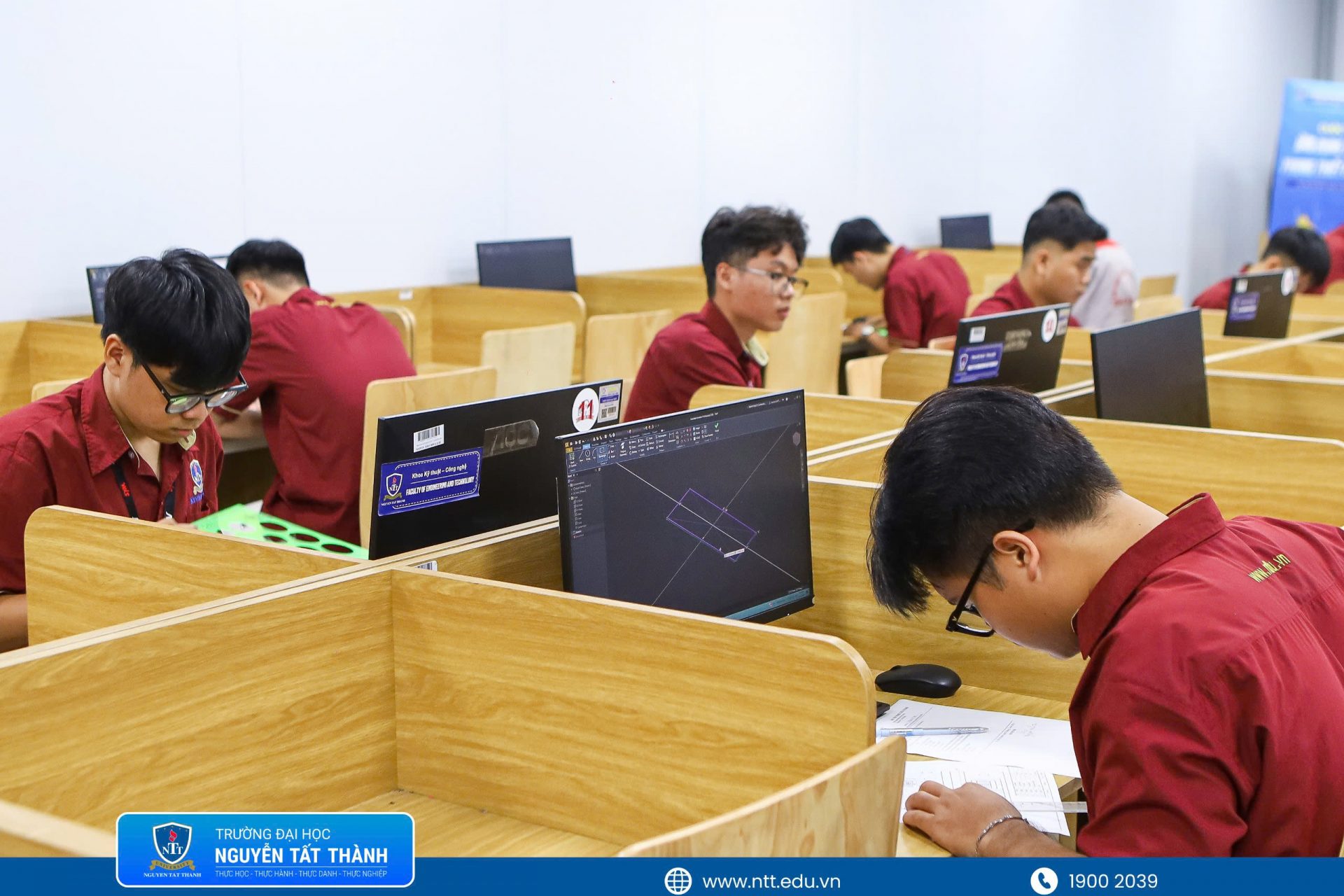
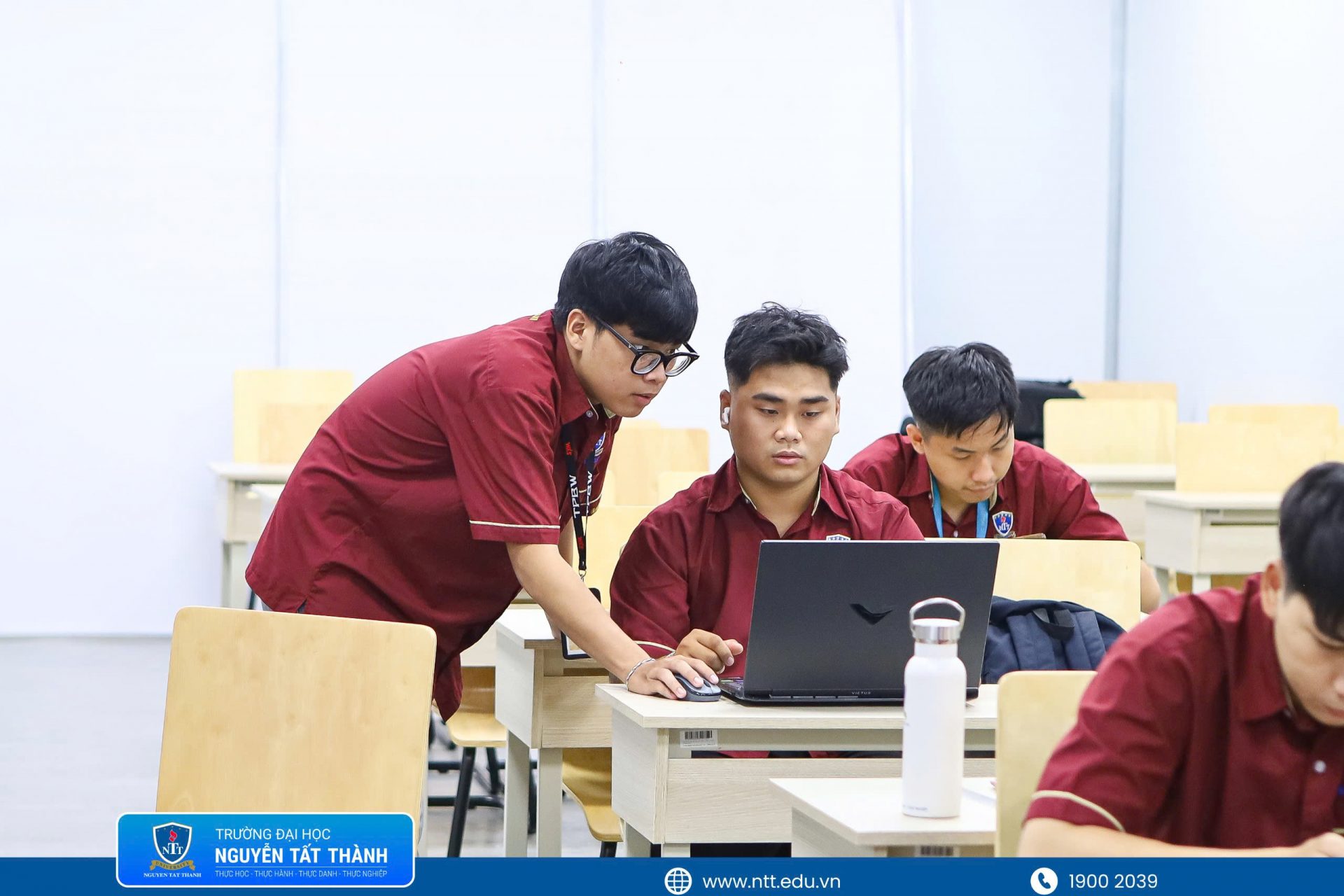
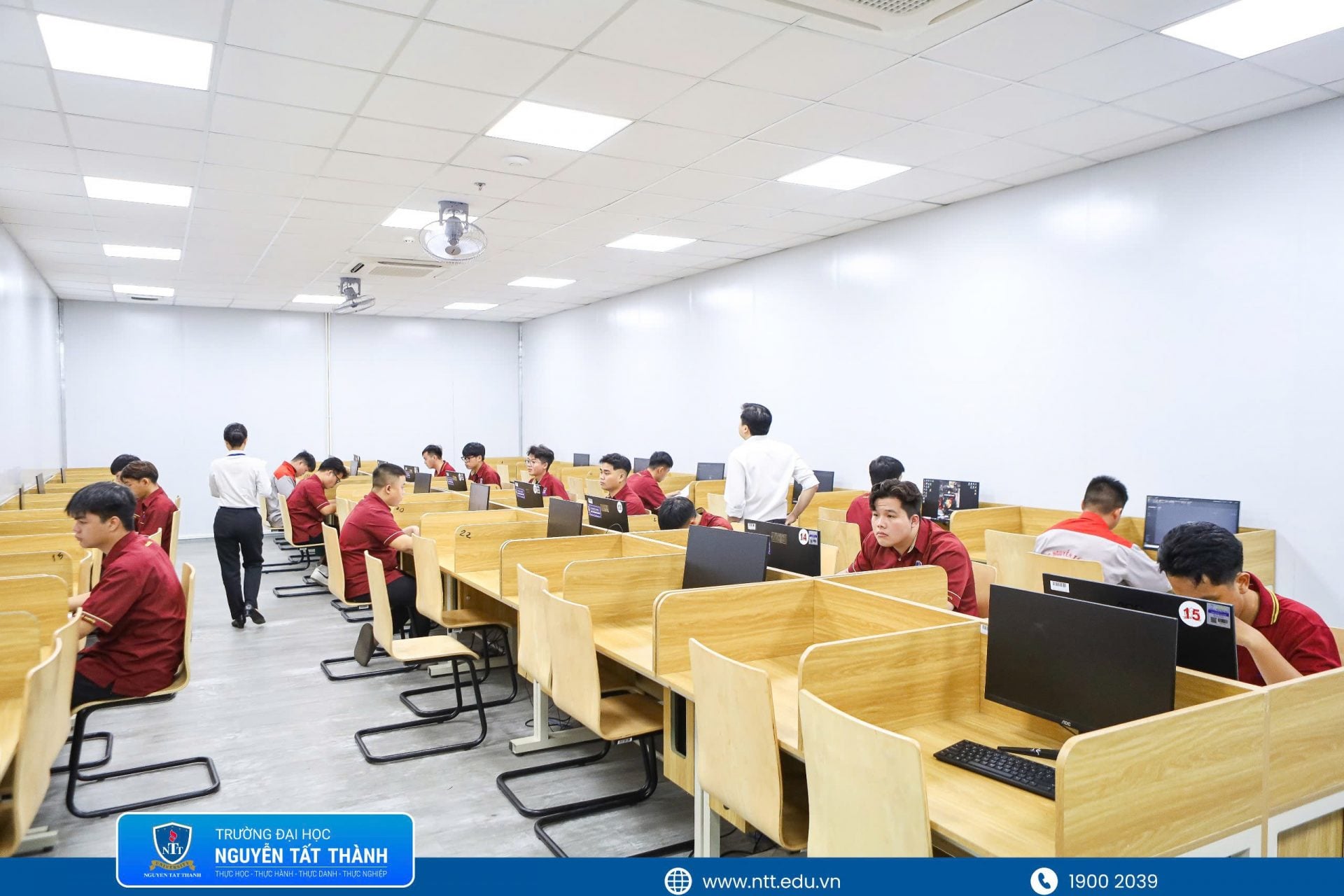
Students from the Faculty of Engineering – Technology, Nguyen Tat Thanh University focus on performing the mechanical design competition part on Autodesk Inventor Professional software, including 3D modeling, assembling machine parts, and exporting technical drawings according to TCVN standards within the specified time
Prominent faces on the design “race track”
After the process of execution and evaluation of the tests, the Organizing Committee awarded prizes to students with outstanding performances.
Student Doan Thien An excellently won the Special Prize. Two First Prizes were awarded to students Vuong Khanh Dai and Trinh Le Ngoc Do. Students Huynh Hong Cau and Vu Ngoc Minh achieved Second Prizes.
Third Prizes belonged to students Luu Quang Vinh Khang, Nguyen Duy Khoa, Vu Dang Khoa, Nguyen Duc Phu, and Tran Vinh Phuc. In addition, the Organizing Committee also awarded Consolation Prizes to recognize the efforts and professional results of the contestants.
Winning the Special Prize at the competition, student Doan Thien An said that the biggest challenge did not lie in memorizing the commands on the software, but in the ability to connect multiple specialized knowledges in the same work.
“During the exam process, I had to continuously check dimensions, assembly positions, and modeling sequences to avoid a small mistake affecting the entire model. This result is a motivation for me to continue cultivating design skills, especially the ability to handle technical problems with higher requirements”, Thien An shared.
According to Thien An, the process of studying, practicing on software, and participating in professional activities organized by the Faculty has helped students be more confident when entering the exam. Through that, learners not only know how to complete a model but also form the habit of checking, detecting errors, and proactively adjusting plans.
“The competition helps me understand more clearly that to pursue the mechanical field, students not only need to grasp theory firmly but also practice frequently, work carefully, and have problem-solving thinking. These experiences will be very necessary when we carry out projects or step into corporate environments”, Thien An said.
Meanwhile, student Vuong Khanh Dai, one of the two contestants who won First Prize, believed that time pressure was the factor that created the difference between the competition and normal practice sessions.
“When doing assignments in class, students have plenty of time to try again or adjust. But in the competition, every operation must be calculated carefully because time is limited. I had to both ensure progress and control the accuracy of the model. This is an experience that helps me practice calmness, time allocation ability, and a more scientific working style”, Khanh Dai shared.
According to Khanh Dai, Autodesk Inventor is not only a tool to complete the test but also helps students concretely visualize how a mechanical product is formed from the initial drawing to the complete assembly model.
“Being exposed to specialized software right during the learning process helps us deeply understand specialized knowledge and be more proactive when implementing projects. The competition also helps me realize the skills I am still lacking to continue practicing before entering the actual working environment”, Khanh Dai stated.
Each award is a recognition for the ability to master software, design thinking, and accuracy in each implementation step. However, the value of the competition does not just lie in rankings.
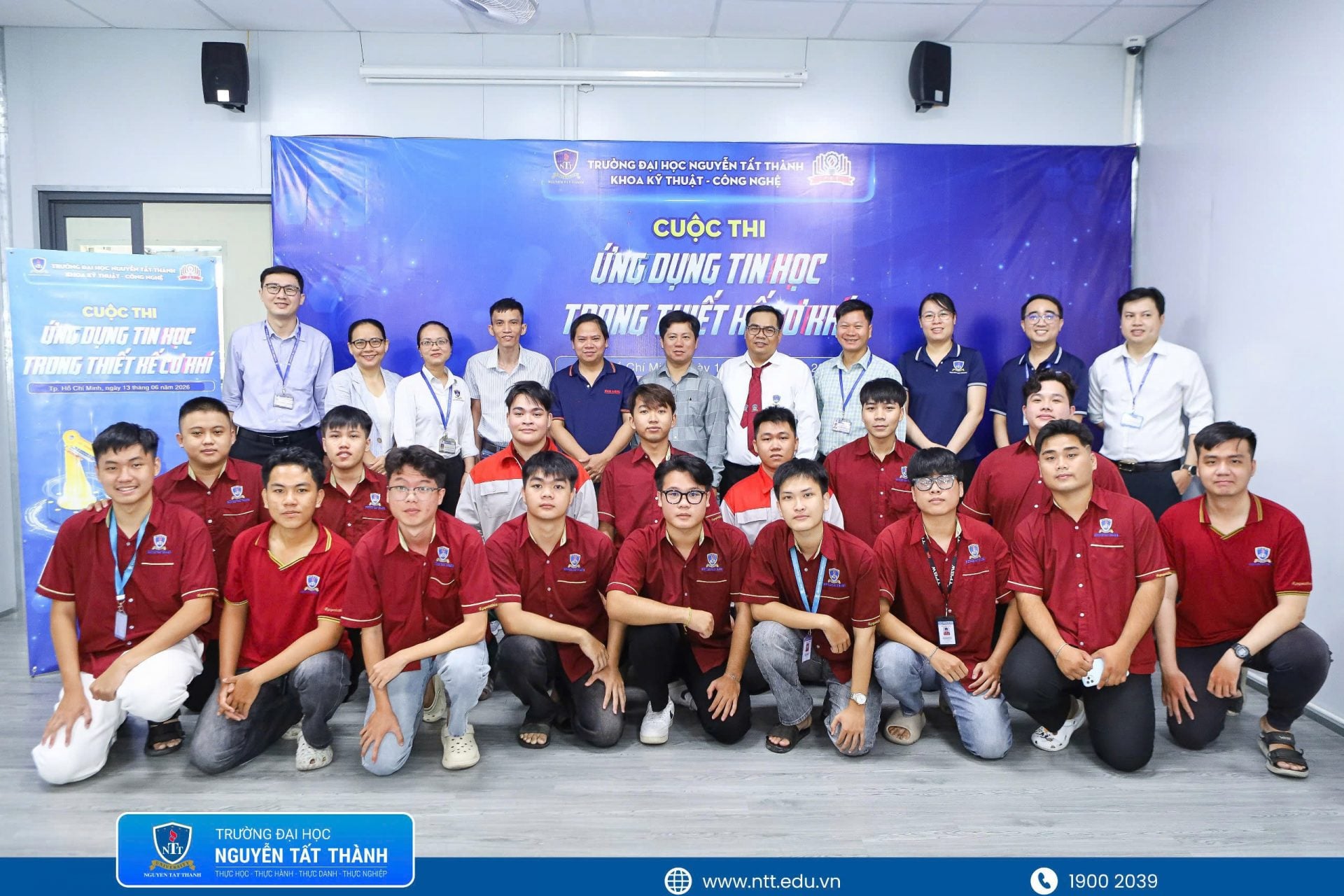
The competition is an academic playground that helps mechanical engineering students test their practical capacity, master digital design tools, and step-by-step adapt to business requirements
For students who have not won a prize, completing a test themselves from the initial drawing to the assembly model is also a worthwhile “try at the profession”. Through this, you can realize whether you are strong in modeling, reading drawings, or handling assembly, while determining the skills that need to continue to be improved.
The competition closed after hours of focus in front of computer screens, but what students received was not just a three-dimensional model or a completed technical drawing.
It was also the experience of turning knowledge into products, turning operations on software into professional capacity, and turning the pressure of an exam into motivation to continue perfecting themselves.
From drawings in lecture halls to technical models that can be put into practice is a journey requiring knowledge, precision, and the ability to master technology. This is also the luggage that the Faculty of Engineering – Technology and Nguyen Tat Thanh University are step by step equipping the future generation of engineers with.
Executed by: Cam Thach
Photos by: Media